Structural Inspection in Dallas-Fort Worth
Platform Engineering provides PE-level structural inspections for residential and commercial properties across the Dallas-Fort Worth metroplex. From pre-purchase property assessments and damage documentation to drone-assisted aerial inspections of roofing and elevated structural elements, every inspection is conducted by our in-house Professional Engineer. We deliver detailed, PE-stamped inspection reports that give property owners, buyers, contractors, and lenders the structural clarity they need to make informed decisions.
Who This Is For
Home Buyers who need an independent PE-level structural assessment before closing on a property in the DFW market
Property Owners who want to document structural conditions after a storm event, before a renovation, or as part of ongoing property management
Real Estate Agents and Brokers representing buyers or sellers who need engineering-level structural verification beyond a standard home inspection
Lenders and Title Companies requiring PE-stamped structural documentation to satisfy loan or closing conditions
Insurance Carriers and adjusters who need independent structural assessment to evaluate a property damage claim
Why Structural Inspections Matter in Dallas-Fort Worth
A structural inspection conducted by a licensed Professional Engineer is fundamentally different from a general home inspection. A home inspector provides a broad overview of a property's systems — plumbing, electrical, HVAC, and general structural observations. A structural inspection focuses exclusively on the building's structural system, evaluates its condition against engineering standards, and identifies deficiencies that require remediation.
In the Dallas-Fort Worth market, structural inspections serve multiple critical purposes. Pre-purchase buyers use them to verify the structural condition of a property before committing to a transaction. Property owners use them to assess damage after a weather event or to document conditions before undertaking renovations. Lenders and title companies may require them when a general inspection raises structural concerns. And insurance carriers may request independent structural assessment as part of a claim evaluation.
North Texas properties face specific structural risks that make PE-level inspections particularly important. The region's expansive clay soils generate ongoing foundation movement. Hailstorms and high winds cause damage to roofing systems, exterior cladding, and structural connections. Aging buildings may have deferred maintenance, code-deficient construction, or undocumented modifications that compromise structural performance. Identifying these conditions requires the training, judgment, and technical authority of a licensed Professional Engineer.
Platform Engineering conducts structural inspections using a systematic methodology that includes visual assessment, drone-assisted aerial inspection, floor elevation measurement, damage documentation, and comparison against the applicable building code. The result is a PE-stamped report that documents the property's structural condition and provides actionable engineering recommendations.

Request a consult
call us now
Our Structural Inspection Process
Step 1: Scheduling and Pre-Inspection Review
You contact us with the property details, the purpose of the inspection, and any specific concerns. We review available information — prior inspection reports, property records, and photos — and schedule the on-site inspection.
Step 2: On-Site Structural Assessment
Our PE conducts a thorough on-site assessment of the building's structural system. This includes evaluation of the foundation, framing, load-bearing walls, connections, roof structure, and exterior cladding. We measure floor elevations, map crack patterns, and document all observable conditions.
Step 3: Drone-Assisted Aerial Inspection
For roofing systems, elevated exterior surfaces, and areas that are difficult or unsafe to access by conventional means, our FAA Part 107 certified drone pilot captures high-resolution aerial imagery and video. This provides comprehensive documentation of conditions that are not visible from ground level.
Step 4: Analysis and Report Preparation
We analyze the on-site findings against engineering standards and the applicable building code. The PE evaluates the structural significance of observed conditions and prepares recommendations ranging from monitoring to immediate repair.
Step 5: PE-Stamped Inspection Report
You receive a detailed inspection report — sealed by our in-house Professional Engineer — that documents the structural conditions observed, the engineering analysis, and specific recommendations. The report includes annotated photographs and, where applicable, drone imagery.
What Your Structural Inspection Includes
On-site structural assessment by a licensed Professional Engineer
Foundation evaluation with floor elevation measurements and differential movement analysis
Framing, load path, and connection assessment
Roof structure and exterior cladding evaluation
Drone-assisted aerial inspection for roofing and elevated surfaces (FAA Part 107 certified)
Annotated photographic documentation of all observed conditions
PE-stamped inspection report with findings, analysis, and recommendations
Post-inspection consultation to discuss findings and next steps
Know the Structural Truth Before You Commit
Schedule a Structural Inspection
Whether you are buying a property, documenting storm damage, or evaluating a building's structural condition — Platform Engineering delivers PE-stamped inspection reports with the technical depth your decision requires. Schedule your structural inspection today.
Frequently Asked Questions
Structural Engineering Questions — Answered by Our Team
Whether you are a homeowner facing foundation concerns, a contractor waiting on stamped plans, or an architect coordinating a commercial buildout, these are the questions we hear most — and the answers that will help you take the next step.
What is included in a PE structural inspection versus a standard home inspection?
A standard home inspection covers a broad range of building systems — plumbing, electrical, HVAC, roofing, and general structural observations — typically performed by a licensed home inspector. A PE structural inspection focuses exclusively on the building's structural system and is conducted by a licensed Professional Engineer. It includes detailed evaluation of the foundation, framing, connections, and load paths, often with floor elevation measurements and engineering-level analysis. The deliverable is a PE-stamped report with findings and engineering recommendations.
Do I need a structural inspection before buying a home in DFW?
A structural inspection is not legally required for a home purchase in Texas, but it is strongly recommended — especially in the DFW market where expansive clay soils cause widespread foundation movement. A PE structural inspection provides a level of technical analysis that a general home inspection does not cover. If the general inspector notes foundation cracks, uneven floors, or other structural concerns, a PE structural inspection is the appropriate next step before closing.
What's the difference between concrete restoration and concrete replacement?
Drone-assisted inspection allows our PE to capture high-resolution imagery of roofing surfaces, elevated cladding, chimneys, and upper-story structural elements that are difficult or hazardous to access by ladder or lift. This is particularly valuable for large commercial roofs, multi-story buildings, and post-storm damage documentation. The aerial data supplements the ground-level assessment and often reveals conditions that would otherwise go undocumented.
Can a structural inspection identify hidden damage from previous storms?
Yes. A PE structural inspection can identify indicators of prior storm damage that may not be apparent in a general visual assessment. This includes damaged roofing underlayment, compromised flashing, weakened framing connections, and moisture intrusion resulting from breached weather barriers. When combined with historical weather data, our PE can assess whether observed conditions are consistent with documented storm events affecting the property.
How long does a structural inspection take, and when will I receive the report?
The on-site inspection typically requires two to four hours depending on the size and complexity of the property. For drone-assisted inspections, additional time is allocated for aerial operations. The PE-stamped inspection report is generally delivered within five to seven business days following the on-site visit. Expedited timelines are available for time-sensitive transactions or claim deadlines.
Is a PE structural inspection accepted by lenders and title companies in Texas?
Yes. A PE-stamped structural inspection report carries the professional authority that lenders, title companies, and real estate attorneys recognize. When a general home inspection raises structural concerns, many lenders require a PE evaluation before approving financing. The PE-stamped report provides the documentation needed to satisfy these requirements and support informed transaction decisions.
Platform Engineering And Consulting Services
Structural engineering for the Dallas-Fort Worth metroplex. Licensed in nine states.
Email: [email protected]
Phone: +1 469-739-0285
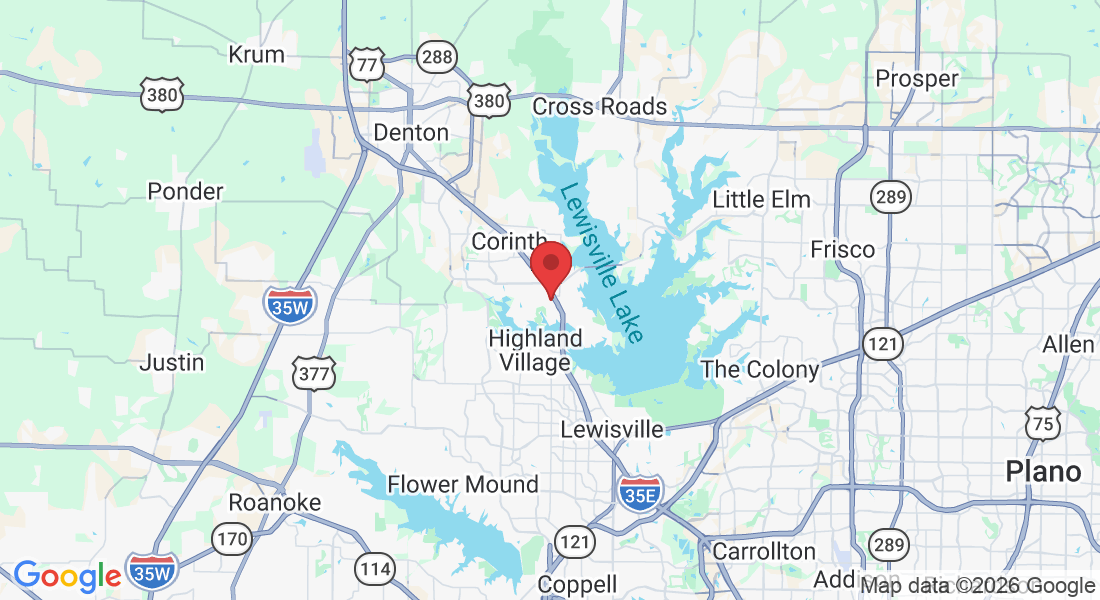
Address: 135 Ginger Ln,
Hickory Creek, TX 75065, United States
Business hours
monday: 8am - 5pm
tuesday: 8am - 5pm
wednesday: 8am - 5pm
thursday: 8am - 5pm
friday: 8am - 5pm
Saturday: 8am - 5pm
Copyright 2026. Platform Engineering and Consulting Services. All rights reserved.


