Forensic Structural Engineer in Texas
Platform Engineering provides forensic structural engineering for property owners, insurance carriers, attorneys, and public adjusters across the Dallas-Fort Worth metroplex and the state of Texas. Our in-house Professional Engineer investigates hail damage, wind damage, moisture intrusion, and construction defects — producing PE-stamped forensic reports that document the cause, extent, and recommended remediation for structural distress. When your claim or litigation depends on defensible engineering analysis, we deliver the documentation that holds up under scrutiny.
Who This Is For
Property Owners who have sustained hail, wind, or moisture damage and need independent PE-level documentation for an insurance claim
Insurance Carriers requiring objective forensic analysis to evaluate the cause and extent of a structural damage claim
Public Adjusters who need PE-stamped forensic reports to support policyholder claims during the adjustment or appraisal process
Attorneys handling insurance litigation, construction defect disputes, or subrogation matters who require expert engineering analysis and testimony
General Contractors and Restoration Companies who need independent damage documentation before beginning repair or reconstruction work
Why Forensic Structural Engineering Matters in Texas
The Dallas-Fort Worth metroplex sits in what the insurance industry refers to as "Hail Alley" — a corridor of North Texas that experiences some of the highest concentrations of severe hailstorm events in the United States. These storms generate billions of dollars in structural damage annually, affecting roofing systems, exterior cladding, windows, and underlying structural components. Hail is not the only threat. Straight-line winds, occasional tornadoes, and sustained moisture intrusion create a persistent demand for forensic structural investigation across the region.
When a building sustains damage from a weather event or exhibits distress from a construction defect, the question is not simply whether damage exists. The critical questions are: What caused the damage? How extensive is it? What is the appropriate scope of repair? And who bears responsibility? Answering these questions requires a licensed Professional Engineer with forensic investigation methodology — not a general inspection or a contractor's visual estimate.
Insurance claims for structural damage in Texas frequently involve disputed scope, contested causation, and adversarial proceedings. A forensic engineering report from a licensed PE provides the technical foundation that supports — or refutes — a damage claim. Without PE-level forensic documentation, property owners risk underpayment, claim denial, or protracted litigation without the engineering evidence needed to prevail.
Platform Engineering conducts forensic structural investigations using systematic methodology — including visual assessment, drone-assisted aerial inspection, materials testing coordination, damage mapping, and code-based analysis. The result is a PE-stamped forensic report that documents causation, quantifies damage, and specifies remediation — suitable for insurance claims, litigation, and dispute resolution.

Request a consult
call us now
Our Forensic Engineering Process
Step 1: Engagement and Scope Definition
You describe the damage, the suspected cause, and the purpose of the investigation — insurance claim, litigation support, pre-purchase assessment, or independent evaluation. We define the forensic scope and provide a proposal.
Step 2: On-Site Forensic Investigation
Our PE conducts a systematic on-site investigation. This includes visual assessment of all accessible structural and non-structural components, damage mapping, photographic documentation, and drone-assisted aerial inspection of roofing and elevated exterior surfaces when appropriate.
Step 3: Analysis and Cause Determination
We analyze the collected data against known failure modes, weather event records, material performance characteristics, and applicable building codes. The goal is to establish the probable cause of the observed distress and distinguish between weather damage, construction defect, deferred maintenance, and pre-existing conditions.
Step 4: PE-Stamped Forensic Report
You receive a comprehensive forensic report — sealed by our in-house Professional Engineer — that documents the investigation methodology, findings, cause determination, damage quantification, and recommended remediation scope. This report is formatted for use in insurance claims, appraisal proceedings, or litigation.
Step 5: Expert Witness and Litigation Support
When your matter proceeds to appraisal, mediation, or trial, our PE is available to provide expert testimony. We prepare exhibits, respond to opposing expert reports, and present our findings in a clear, defensible manner.
What Your Forensic Engineering Package Includes
Systematic on-site investigation by a licensed Professional Engineer
Drone-assisted aerial inspection of roofing and elevated exterior surfaces (FAA Part 107 certified pilot on staff)
Photographic and video documentation with damage mapping
Weather event correlation using NOAA storm data and local weather records
Building code analysis against the adopted Texas building code (2021 IBC/IRC with state amendments)
PE-stamped forensic report with cause determination, damage quantification, and remediation scope
Repair cost framework based on industry-standard estimating methodology
Expert witness availability for deposition, appraisal, mediation, or trial testimony
Get the Forensic Engineering Your Claim Requires
Request a Forensic Assessment
From hail and wind damage to moisture intrusion and construction defects — Platform Engineering delivers PE-stamped forensic reports that document causation, quantify damage, and hold up under scrutiny. Request your forensic assessment today or contact us directly.
Frequently Asked Questions
Structural Engineering Questions — Answered by Our Team
Whether you are a homeowner facing foundation concerns, a contractor waiting on stamped plans, or an architect coordinating a commercial buildout, these are the questions we hear most — and the answers that will help you take the next step.
What is forensic structural engineering?
Forensic structural engineering is the application of engineering principles to investigate the cause and extent of structural damage or failure. A forensic structural engineer examines a building or structure, analyzes the evidence, determines the probable cause of the distress, and produces a PE-stamped report documenting the findings. Common applications include hail damage assessment, wind damage evaluation, moisture intrusion investigation, and construction defect analysis.
When should I hire a forensic structural engineer instead of a general inspector?
You should engage a forensic structural engineer when the damage investigation needs to establish causation — not just document the presence of damage. Insurance claims, litigation matters, construction defect disputes, and contested damage assessments all require the analytical rigor and PE-stamped documentation that a forensic engineer provides. A general inspector identifies visible conditions; a forensic engineer determines why they occurred and what it takes to remediate them.
Can your forensic report be used in insurance litigation in Texas?
Yes. Our PE-stamped forensic reports are prepared with litigation use in mind. They document the investigation methodology, technical findings, cause determination, and remediation scope in a format suitable for insurance claim proceedings, appraisal, mediation, arbitration, or trial. Our Professional Engineer is available to provide expert witness testimony to support the report findings.
How does Platform Engineering use drones in forensic investigations?
Our FAA Part 107 certified drone pilot deploys unmanned aerial systems to capture high-resolution imagery and video of roofing surfaces, elevated exterior cladding, and other areas that are difficult or unsafe to access by conventional means. Drone-assisted inspection allows us to document damage across large roof areas efficiently and to identify damage patterns that may not be visible from ground level or limited ladder access points.
What is the difference between hail damage and normal roof wear?
Hail damage produces impact marks with identifiable characteristics — circular or irregular fractures, mat exposure on asphalt shingles, denting on metal surfaces, and granule displacement in patterns consistent with the storm direction and hail size. Normal wear and aging produce gradual granule loss, curling, blistering, and degradation that are distributed uniformly across the roof surface. A forensic structural engineer can differentiate between these conditions using pattern analysis and correlation with documented weather events.
How quickly can you complete a forensic structural investigation?
Turnaround depends on the scope of the investigation, the size of the property, and the complexity of the damage. A standard residential forensic inspection and report can typically be completed within two to three weeks. For urgent matters involving litigation deadlines or time-sensitive claims, we offer expedited scheduling. Contact us at +1-469-405-1710 to discuss your timeline.
Platform Engineering And Consulting Services
Structural engineering for the Dallas-Fort Worth metroplex. Licensed in nine states.
Email: [email protected]
Phone: +1 469-739-0285
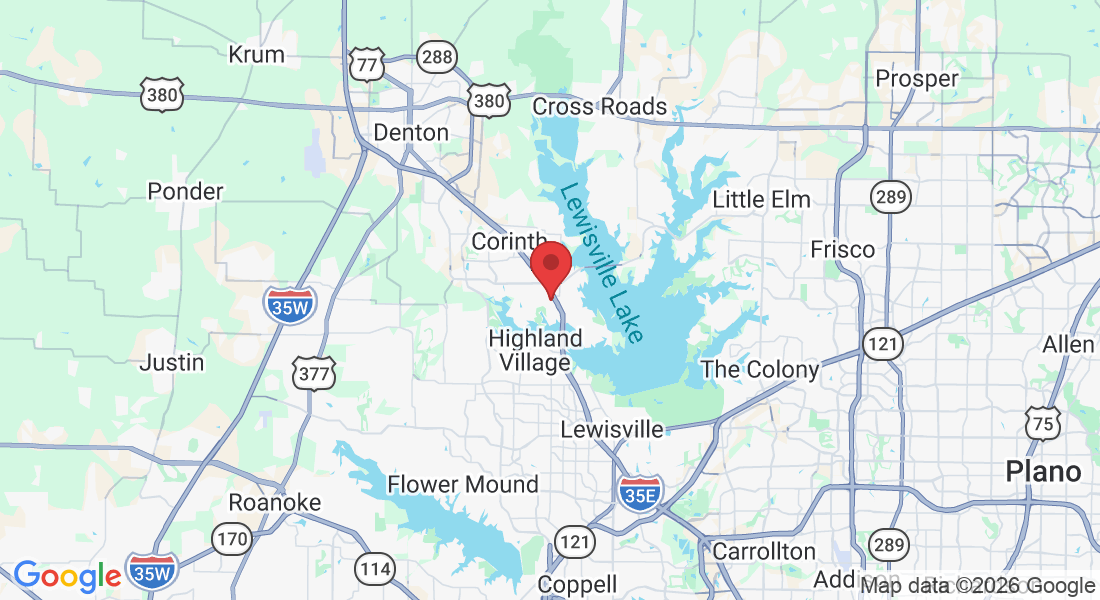
Address: 135 Ginger Ln,
Hickory Creek, TX 75065, United States
Business hours
monday: 8am - 5pm
tuesday: 8am - 5pm
wednesday: 8am - 5pm
thursday: 8am - 5pm
friday: 8am - 5pm
Saturday: 8am - 5pm
Copyright 2026. Platform Engineering and Consulting Services. All rights reserved.


