
Foundation Engineer in Dallas-Fort Worth
Foundation movement is the number one structural concern for property owners in North Texas. Platform Engineering provides PE-stamped foundation design for new construction and engineering solutions for existing foundation repair — all calibrated for the expansive clay soil conditions that define the Dallas-Fort Worth region. Our in-house Professional Engineer designs slab-on-grade, pier and beam, and post-tension foundation systems and provides engineering oversight for pier installation, underpinning, and foundation stabilization projects.
Who This Is For
Homeowners experiencing foundation distress symptoms — cracking, settling, sticking doors, uneven floors — who need a PE evaluation and engineered repair plan
General Contractors building new homes or commercial structures in DFW who require PE-stamped foundation designs engineered for expansive clay soil
Real Estate Buyers and Sellers who need an independent foundation evaluation from a licensed Professional Engineer during a property transaction
Foundation Repair Contractors who require PE-designed repair plans and post-repair engineering verification letters
Property Managers and Investors responsible for maintaining structural integrity across residential or commercial portfolios in North Texas
Why Foundation Engineering Matters in North Texas
The Dallas-Fort Worth metroplex sits on expansive clay soils — vertisols that undergo dramatic volume changes with fluctuations in moisture content. During prolonged drought, these soils shrink and pull away from foundations. When rain returns, the soils swell and exert lateral and vertical pressure on the foundation system. This shrink-swell cycle generates differential settlement, heaving, and cracking that can compromise the structural integrity of any building.
Foundation distress is not a rare occurrence in North Texas. It is the most commonly reported structural issue in the region. Symptoms include interior drywall cracking, doors and windows that no longer close properly, visible separation between walls and ceilings, uneven floors, and exterior brick veneer cracking. Many homeowners first discover foundation problems during a real estate transaction, when a buyer's inspection reveals conditions that require engineering evaluation.
For new construction, the foundation system must be designed to accommodate anticipated soil movement. The geotechnical report for the site provides the soil data — plasticity index, moisture content, bearing capacity — that drives the foundation design. A slab-on-grade, pier and beam, or post-tension slab may be appropriate depending on the soil conditions and the structure being supported. The wrong foundation type for the site conditions will result in performance issues regardless of construction quality.
For existing foundations showing signs of distress, a Professional Engineer must evaluate the structure, determine the cause and extent of movement, and design a remediation strategy. This may involve steel pier installation, concrete press piling, helical piers, mudjacking, or a combination of methods. Without a PE-designed repair plan, there is no assurance that the repair will address the root cause of the problem.

Request a consult
call us now
Our Foundation Engineering Process
Step 1: Project Evaluation
You provide project details — for new construction, this includes the geotechnical report, architectural plans, and site survey. For repair projects, you describe the symptoms, provide photos, and share any prior inspection reports. We review the information and define the engineering scope.
Step 2: Site Assessment (Repair Projects)
For foundation repair, our PE evaluates the structure on-site. We document floor elevations, measure differential movement, map crack patterns, and assess the relationship between the observed distress and the underlying soil conditions.
Step 3: Engineering Analysis and Design
For new foundations, we design the system — slab thickness, reinforcement, beam spacing, pier depth, and post-tension tendon layout — based on the geotechnical data and structural loads. For repairs, we engineer the remediation plan — pier locations, type, depth, and any supplemental underpinning or drainage modifications required.
Step 4: PE-Stamped Deliverables
You receive a complete engineering package — sealed foundation plans for new construction, or a sealed repair design and recommendation letter for repair projects. All deliverables are stamped by our in-house Professional Engineer.
Step 5: Construction Coordination
We coordinate with your contractor during construction or repair installation. For repair projects, we can provide post-installation verification to confirm the remediation meets the engineering design intent.
What Your Foundation Engineering Package Includes
Geotechnical data review and site-specific soil analysis
Foundation system design for slab-on-grade, pier and beam, or post-tension systems
Floor elevation survey and differential movement documentation (repair projects)
Pier design — type, spacing, depth, and load capacity specifications
Underpinning and stabilization engineering where required
Sealed foundation plans or repair recommendation letter stamped by our in-house PE
Drainage and moisture management recommendations as they relate to foundation performance
Construction coordination and post-repair verification support
Get Engineering Answers for Your Foundation
Request a Foundation Evaluation
Whether you are designing a new foundation for North Texas soil conditions or need an engineered repair plan for an existing foundation in distress — Platform Engineering provides the PE-stamped solutions you need. Request your evaluation today or contact us directly.
Frequently Asked Questions
Structural Engineering Questions — Answered by Our Team
Whether you are a homeowner facing foundation concerns, a contractor waiting on stamped plans, or an architect coordinating a commercial buildout, these are the questions we hear most — and the answers that will help you take the next step.
How do I know if my foundation needs repair?
Common indicators of foundation distress include diagonal or stair-step cracking in drywall or brick veneer, doors and windows that stick or will not latch, visible gaps between walls and ceilings or floors, uneven or sloping floors, and exterior separation at corners or around windows. If you observe any of these symptoms, a Professional Engineer evaluation is the appropriate first step.
What is the difference between a foundation inspection and a foundation engineering evaluation?
A foundation inspection is typically a visual assessment performed by an inspector, often during a real estate transaction. A foundation engineering evaluation is performed by a licensed Professional Engineer and includes detailed measurement of floor elevations, analysis of differential movement, identification of the probable cause, and a PE-stamped recommendation. The engineering evaluation provides a higher level of technical rigor and is the document lenders, contractors, and attorneys rely upon.
Why does North Texas have so many foundation problems?
The Dallas-Fort Worth region sits on expansive clay soils that undergo significant volume changes with moisture fluctuation. Prolonged drought causes the soil to shrink and pull away from foundations, while heavy rain causes the soil to swell and exert upward pressure. This repeated cycle of shrinkage and expansion generates differential movement that cracks and distorts foundations over time. It is the predominant geotechnical challenge in the region.
Do I need a PE letter for a foundation repair?
Many lenders, title companies, and real estate attorneys in the DFW market require a PE letter — a stamped engineering opinion — before closing a property transaction where foundation repair has been performed or is recommended. A PE letter from Platform Engineering provides an independent, licensed assessment that satisfies these requirements.
How deep do foundation piers need to be in DFW?
Pier depth in the Dallas-Fort Worth area depends on the soil profile at the specific site. Steel push piers are typically driven 20 to 40 or more feet to reach stable bearing strata below the active zone of expansive clay. Helical piers are installed to a specified torque that correlates with the required load capacity. Concrete press piles are driven to refusal, which may be shallower and less predictable. Our PE specifies pier depth based on geotechnical data and structural loading requirements.
Can you design a new foundation for a custom home on expansive clay soil?
Yes. New foundation design for expansive clay is one of our core services. We review the geotechnical report for your site, analyze the structural loads, and design a foundation system — slab-on-grade, post-tension, or pier and beam — that is engineered to accommodate the anticipated soil behavior. The result is a PE-stamped foundation plan ready for permit submission.
Platform Engineering And Consulting Services
Structural engineering for the Dallas-Fort Worth metroplex. Licensed in nine states.
Email: [email protected]
Phone: +1 469-739-0285
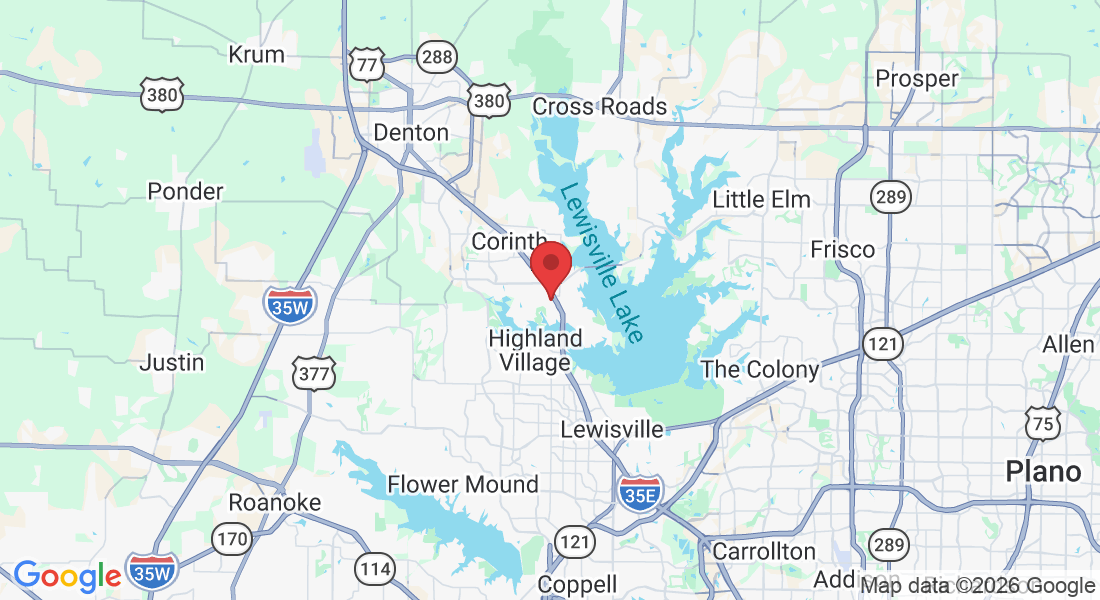
Address: 135 Ginger Ln,
Hickory Creek, TX 75065, United States
Business hours
monday: 8am - 5pm
tuesday: 8am - 5pm
wednesday: 8am - 5pm
thursday: 8am - 5pm
friday: 8am - 5pm
Saturday: 8am - 5pm
Copyright 2026. Platform Engineering and Consulting Services. All rights reserved.


