
Load-Bearing Wall Removal Engineer in Texas
Removing a load-bearing wall to create an open floor plan is one of the most common residential renovation projects in the Dallas-Fort Worth area — and one of the most frequently misunderstood. It requires a licensed Professional Engineer to design the replacement beam, size the supporting columns and footings, specify the temporary shoring plan, and produce PE-stamped drawings for permit approval. Platform Engineering delivers all of this as a single, permit-ready package engineered by our in-house PE.
Who This Is For
Homeowners planning an open-concept renovation who need engineered wall removal drawings to obtain a building permit
General Contractors who need PE-stamped beam designs and shoring plans to pull permits for residential wall removal projects
Home Remodelers executing kitchen, living room, or whole-house renovations that involve removing load-bearing walls
Architects designing open floor plan layouts who need structural engineering for wall removal elements within a larger project
Real Estate Investors renovating properties for resale and requiring permitted, code-compliant structural modifications
Why Engineered Wall Removal Matters
A load-bearing wall is a structural element that transfers gravity loads from the roof, ceiling, or upper floor down to the foundation. Removing it without proper engineering redistributes those loads in ways the original structure was not designed to accommodate. The consequences of an improperly executed wall removal range from sagging ceilings and cracked drywall to catastrophic structural failure.
In Texas, most building departments require a PE-stamped structural analysis and construction drawings before issuing a permit for any wall removal that involves a load-bearing element. The engineering package must demonstrate that the replacement beam, its supporting columns, and the foundation elements beneath those columns are adequate to carry the redistributed loads safely. The building department will also require a temporary shoring plan that shows how the structure will be supported during the removal and beam installation process.
Many homeowners and even some contractors underestimate the complexity of this work. It is not simply a matter of installing a steel beam where the wall used to be. The beam must be sized for the specific span, load conditions, and deflection criteria. The columns that support the beam must deliver those loads to adequately sized footings. And the temporary shoring must be designed to prevent movement during the transition. Every element in the load path must be verified by a Professional Engineer.
Platform Engineering specializes in this type of residential structural modification. We produce complete wall removal packages — beam design, column sizing, footing specifications, temporary shoring plans, and PE-stamped permit drawings — and we deliver them on a timeline that keeps your renovation on schedule.

Request a consult
call us now
Our Load-Bearing Wall Removal Process
Step 1: Project Information Gathering
You provide details about the wall you intend to remove — location, approximate dimensions, floor plan or architectural drawings, and photos if available. We review the information and confirm the scope of engineering required.
Step 2: Structural Analysis
Our PE analyzes the load path affected by the wall removal. We calculate the gravity loads from the roof, ceiling, and any upper floors that the wall currently supports, then design the replacement beam, supporting columns, and footings to carry those loads within code-allowable limits for strength and deflection.
Step 3: Temporary Shoring Design
We design a temporary shoring plan that specifies how the structure will be supported during the wall removal and beam installation. This plan is included in the permit package and ensures the contractor can execute the work safely.
Step 4: PE-Stamped Permit Drawings
We produce a complete drawing set — beam schedule, column details, footing specifications, temporary shoring plan, and structural notes — sealed by our in-house Professional Engineer and formatted for your local building department.
Step 5: Permit Support and Field Coordination
We respond to plan review comments and provide construction-phase support as needed. If your contractor has questions about the beam installation or shoring sequence, our team is available for clarification.
What Your Wall Removal Package Includes
Structural analysis of the affected load path — roof, ceiling, floor, and foundation
Replacement beam design with material specification (steel, LVL, or glulam as appropriate)
Supporting column sizing and connection details
Footing design or verification for the new point loads
Temporary shoring plan for safe wall removal and beam installation
PE-stamped structural calculations
Permit-ready construction drawings formatted for your local building department
Plan review response support at no additional charge
Open Up Your Floor Plan the Right Way
Request a Beam Design
A load-bearing wall removal done correctly starts with proper engineering. Platform Engineering delivers PE-stamped beam designs, temporary shoring plans, and permit-ready drawings — so your open-concept renovation is safe, permitted, and on schedule. Request your beam design today.
Frequently Asked Questions
Structural Engineering Questions — Answered by Our Team
Whether you are a homeowner facing foundation concerns, a contractor waiting on stamped plans, or an architect coordinating a commercial buildout, these are the questions we hear most — and the answers that will help you take the next step.
How do I know if a wall is load-bearing?
In general, walls that run perpendicular to the floor and ceiling joists, walls located beneath a ridge beam or bearing point, and walls that align with the foundation below are likely load-bearing. However, accurately determining whether a wall is load-bearing requires analysis of the framing and load path — not a visual guess. A Professional Engineer can confirm the wall's structural role and design the appropriate replacement system if removal is planned.
Do I need a permit to remove a load-bearing wall in Texas?
Yes, in most jurisdictions. Removing a load-bearing wall is a structural modification that requires a building permit. The building department will require PE-stamped structural calculations and construction drawings that demonstrate the replacement beam and supporting elements are adequate. Platform Engineering produces the complete permit package your building department requires.
What type of beam is used to replace a load-bearing wall?
The beam material depends on the span, load, and installation constraints. Common options include steel W-shapes or channels, laminated veneer lumber (LVL), and glued laminated timber (glulam). Steel is typically used for longer spans or heavier loads. LVL and glulam are common for moderate spans and are often preferred when the beam will be concealed within the ceiling or floor framing. Our PE selects the optimal material for each project.
What is temporary shoring, and why is it required?
Temporary shoring consists of posts and beams installed to support the loads carried by the existing wall while it is being removed and the replacement beam is installed. Without temporary shoring, the structure above the wall will deflect or collapse during the removal process. Our PE designs a temporary shoring plan that is included in every wall removal package and is required by most building departments as part of the permit submission.
How long does it take to get a beam design for a wall removal?
Most load-bearing wall removal packages are completed within five to seven business days from receipt of complete project information — including floor plans, photos, and project dimensions. More complex projects involving multiple wall removals or structural modifications to upper floors may require additional time. We provide a specific timeline in every proposal.
Can I remove more than one load-bearing wall in my home?
Yes, but each wall removal must be individually analyzed as part of a comprehensive structural assessment. Removing multiple load-bearing walls compounds the redistribution of loads and may require larger beams, additional columns, or upgraded foundation elements. Our PE evaluates the cumulative effect of all proposed modifications and designs a coordinated structural solution.
Platform Engineering And Consulting Services
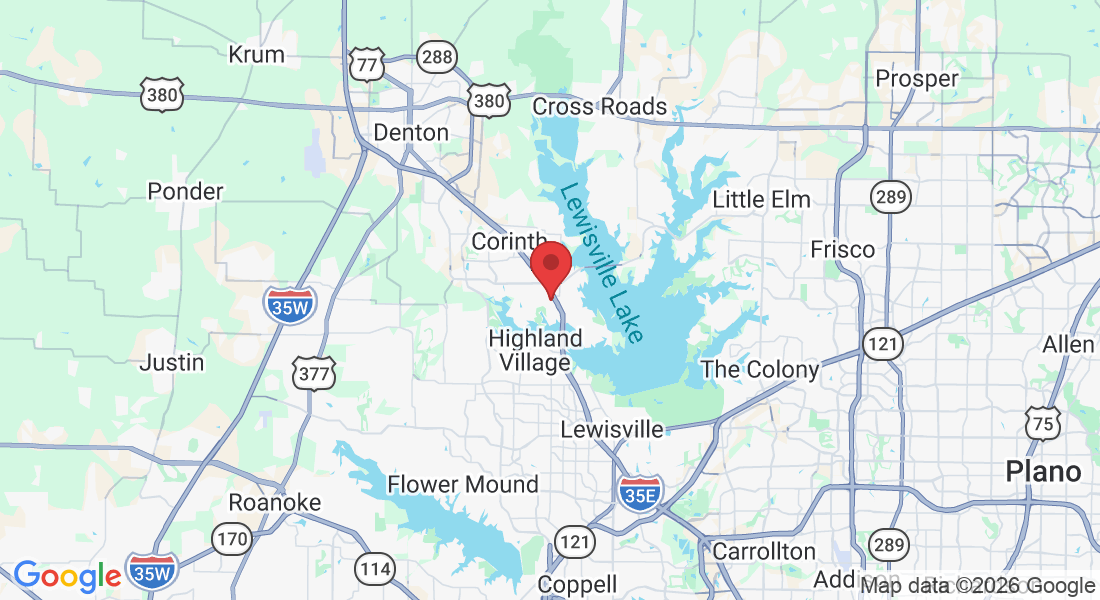
Structural engineering for the Dallas-Fort Worth metroplex. Licensed in nine states.
Email: [email protected]
Phone: +1 469-739-0285
Address: 135 Ginger Ln,
Hickory Creek, TX 75065, United States
Business hours
monday: 8am - 5pm
tuesday: 8am - 5pm
wednesday: 8am - 5pm
thursday: 8am - 5pm
friday: 8am - 5pm
Saturday: 8am - 5pm
Copyright 2026. Platform Engineering and Consulting Services. All rights reserved.


